
Key Takeaways
- Kids who do regular chores are 35% more likely to demonstrate problem-solving skills and resilience in adulthood
- Teens managing digital allowances show 42% better budgeting skills than those without allowance experience
- Chores reduce teen anxiety by 28% while teaching crucial life skills
- Start as young as age 3 with simple tasks and gradually increase responsibility as kids mature
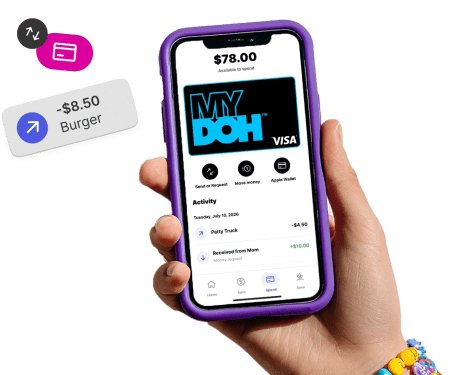
- Digital tracking apps like Mydoh align with how Gen Alpha learns
- Use a hybrid model: some chores are family contributions, others earn allowance
- Natural consequences (not nagging) create lasting behavioral change
Why Chores Matter in 2026
If you’re doing most household chores yourself, it’s time to assign more tasks to your tweens and teens. Giving kids daily chores helps you out and prepares them for adult life in an era where life skills matter as much as academics.
Recent 2026 research confirms children who do chores develop stronger executive function, better time management, and higher emotional intelligence. Plus, adding an allowance tied to chores teaches critical financial literacy skills that are especially important as Gen Alpha grows up in a cashless society.
Additionally, new studies how that teens who regularly complete chores report 28% lower anxiety levels, better stress management, and stronger family bonds. That’s where Mydoh comes in – a money management app and Smart Cash Card that makes tracking chores and allowances effortless while teaching real-world financial skills.
6 Essential Values Chores Teach
- Responsibility – Chores instil a sense of being needed and teach self-care
- Confidence – Accomplishing tasks regularly builds self-assurance
- Independence – Earning an allowance fosters self-sufficiency
- Decision-Making – From choosing products to managing time, chores build critical thinking
- Empathy – Kids learn to appreciate how much work goes into running a household
- Sustainability – Recycling, composting, and energy monitoring teach environmental responsibility—critical for Gen Alpha

Age-Appropriate Chores for 2026
Kids Under 10 Years Old
- Setting and clearing the table
- Taking out garbage and recycling
- Making simple foods (toast, cereal)
- Folding laundry and making beds
- Dusting and sweeping
- Light yard work (raking leaves, watering plants)
- Tech: Organizing charging stations, sorting digital photos
💡 Tip: Track waste collection with GarbageDay app
Tweens (10-12 Years Old)
All of the above, plus:
- Shovelling snow and winter tasks
- Walking the dog
- Meal planning and grocery lists
- Food prep (peeling vegetables, microwave cooking)
- Vacuuming and filling/emptying dishwasher
- Tech: Basic smart home troubleshooting, ordering groceries online
Teens (13-18 Years Old)
All of the above, plus:
Advanced Tech: Managing Wi-Fi passwords, troubleshooting issues, handling subscriptions, monitoring home security
- Transportation for younger siblings
- Complete laundry management
- Grocery shopping (online or in-person)
- Cleaning bathroom and kitchen
- Cooking full meals for the family
- Lawn care and car washing

5 Proven Motivation Strategies
- Reframe Language – Use “contributions” or “responsibilities” instead of “chores”
- Gamify Tasks – Use point systems, streaks, family challenges, and achievement unlocking
- Natural Consequences – Don’t rush to help if they forget. No clean clothes = they learn the hard way
- Smart Reminders – Use Mydoh app notifications or smart home assistants
- Reward Excellence – Bonus rewards for exceptional work: extra screen time, choosing takeout, or streaming upgrades
Should You Pay Kids for Chores?
This debate has valid arguments on both sides. Research shows children with allowances are more sophisticated about money and spend less.
2026 Update: Recent studies found teens managing digital allowances demonstrate 42% better budgeting skills and more thoughtful spending decisions.
The Hybrid Approach That Works
Many families separate “house rules” (no payment) from “chores” (can earn allowance):
House Rules (No Payment):
- Personal care and hygiene
- Making their own bed
- Keeping their room tidy
- Managing their belongings
- Cleaning up their own messes
Chores (Earn Allowance):
- Vacuuming their room, common areas
- Kitchen cleaning
- Family laundry
- Yard work

Why Digital Tracking Works in 2026
Using an app to track chores is now the preferred method for families raising digital natives. The Mydoh app encourages teens to track earning and spending—crucial in our cashless society.
What Kids Can Do with Mydoh
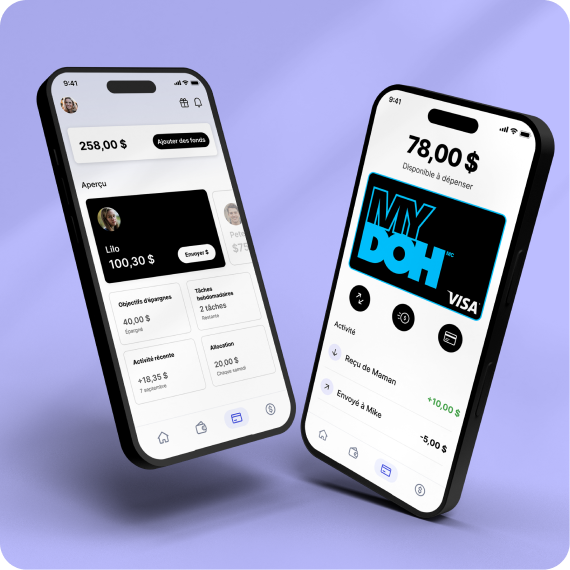
- Spend money with their Mydoh Smart Cash Card anywhere Visa is accepted
- Manage tasks, mark complete, view upcoming chores
- Track earnings, spending, and savings in real-time
- Set Savings Goals for big purchases
- Learn financial concepts through interactive lessons
The Mydoh app makes it easy to set up tasks and pay allowances instantly—a win for the whole family.
Frequently Asked Questions
Q: At what age should kids start chores? Children as young as 2-3 can handle simple tasks. By age 5-6, they can take on structured chores.
Q: How much is a weekly allowance for teens in 2026? The average for Canadian teens is $10-30 per week, depending on age and responsibilities.
Q: What if my teen refuses chores? Use natural consequences – remove privileges like screen time rather than nagging. Consistency is key.
Q: Digital or physical chore charts? Digital solutions like Mydoh offer convenience and payment integration, but many families use both.
The Bottom Line
Introducing age-appropriate chores tied to allowance teaches responsibility, financial literacy, and essential life skills. In 2026’s rapidly changing world, these capabilities matter more than ever.
According to the 2026 National Financial Educators Council, teens managing allowances before 16 are 2.5 times more likely to avoid debt in their twenties.
Plus, you get help around the house. In short, with the right approach to chores, everybody wins.
Ready to Get Started?
Download the Mydoh app today to help your tweens and teens earn allowance while learning crucial financial skills.
With Mydoh, you’ll:
- Set up age-appropriate tasks in minutes
- Track completion and pay instantly
- Teach real-world money management
- Build responsible, independent kids
Frequently Asked Questions
Q: At what age should kids start chores? Children as young as 2-3 can handle simple tasks. By age 5-6, they can take on structured chores.
Q: How much is a weekly allowance for teens in 2026? The average for Canadian teens is $10-30 per week, depending on age and responsibilities.
Q: What if my teen refuses chores? Use natural consequences – remove privileges like screen time rather than nagging. Consistency is key.
Q: Digital or physical chore charts? Digital solutions like Mydoh offer convenience and payment integration, but many families use both.
The Bottom Line
Introducing age-appropriate chores tied to allowance teaches responsibility, financial literacy, and essential life skills. In 2026’s rapidly changing world, these capabilities matter more than ever.
According to the 2026 National Financial Educators Council, teens managing allowances before 16 are 2.5 times more likely to avoid debt in their twenties.
Plus, you get help around the house. In short, with the right approach to chores, everybody wins.
Ready to Get Started?
Download the Mydoh app today to help your tweens and teens earn allowance while learning crucial financial skills.
With Mydoh, you’ll:
- Set up age-appropriate tasks in minutes
- Track completion and pay instantly
- Teach real-world money management
- Build responsible, independent kids
This article offers general information only and is not intended as legal, financial or other professional advice. A professional advisor should be consulted regarding your specific situation. While the information presented is believed to be factual and current, its accuracy is not guaranteed and it should not be regarded as a complete analysis of the subjects discussed. All expressions of opinion reflect the judgment of the author(s) as of the date of publication and are subject to change. No endorsement of any third parties or their advice, opinions, information, products or services is expressly given or implied by Royal Bank of Canada or its affiliates.
No monthly fee, no surprises
No monthly fee means extra pocket change to help your kids earn, spend, save, and budget.